Cross and Crown: The Church, the Colonial State and the Cathedral at Navrongo
In conversation with a researcher friend, Twum Dufe Gabriel weighs how far Christian missions shared in slavery and colonial rule, through the story of how Navrongo's Catholic cathedral came to be built.
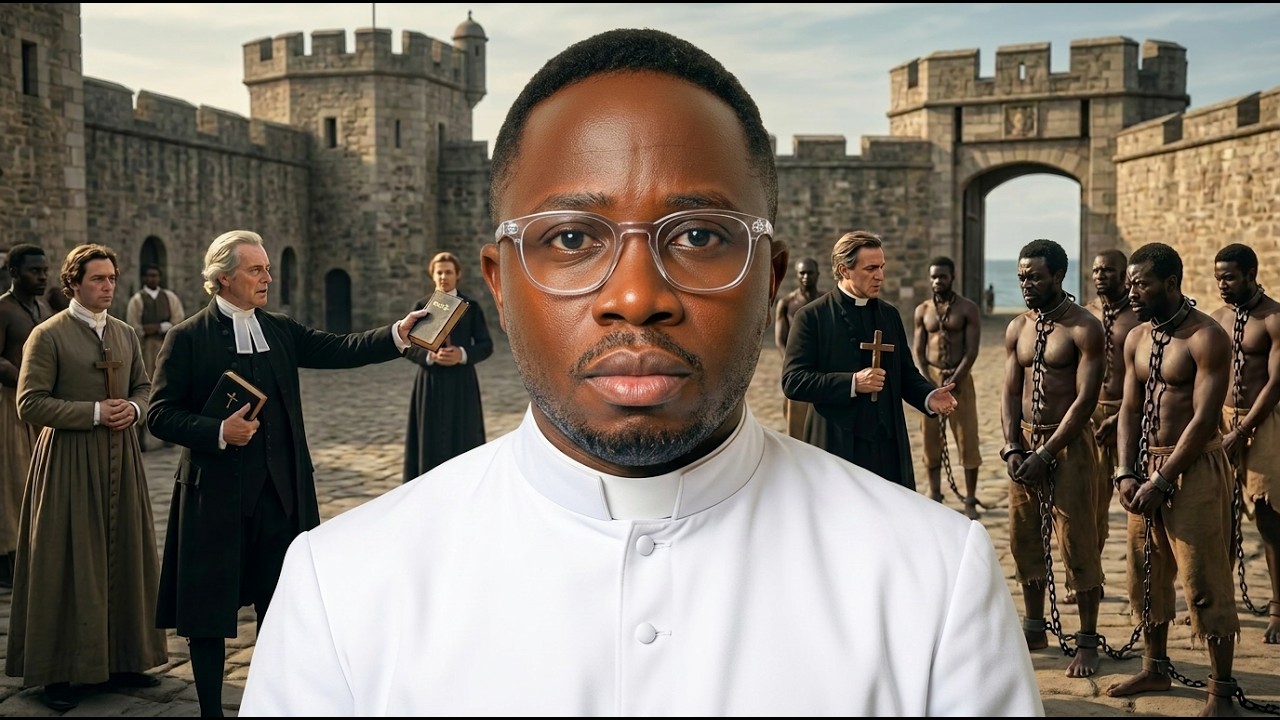
The white-walled chapels inside Elmina and Cape Coast castles are the most familiar evidence that Christianity and the Atlantic trade once shared the same ground in Ghana. Twum Dufe Gabriel begins this episode of The Journey with a less obvious landmark: the Catholic cathedral at Navrongo, in the far north of the country, about which, he says, there are many schools of thought. To sort through them he sits down with Ishmael, a researcher and author who has appeared on the channel before, for an hour-long conversation about what part Christian missions played in the slave trade, in colonial rule, and in what came after.
It is a conversation between two people with a stake in the answer. Gabriel says plainly that he is a Christian and that the subject is a difficult and emotional one for him. Ishmael, for his part, is careful to say that he does not mean to be mischievous. What follows is his reading of the history, offered as an argument for viewers to test against their own research.
When church and state were one
Ishmael opens by acknowledging that linking Christianity to the transatlantic slave trade has become so common in scholarship that it is almost taken for granted. He thinks the picture needs a finer line. Missionaries, he says, have been turned into “whipping boys” for the trade, when the more useful question is the relationship between the church and the state.
His argument runs as follows. At the time Europeans began trading on the African coast, and for a long while afterwards, countries such as France, Italy and Britain had not separated church from state. In France the Catholic Church was bound up with government; in England the Anglican Church stood in a similar position. If the state engaged in slavery while the two were one body, he reasons, then the church cannot avoid a share of the blame. Traders and missionaries arrived in Africa at much the same time and occupied the same spaces, and those who began by dealing in timber or cotton went on to deal in human beings.
Chaplains in the castles, missionaries in the hinterland
Within that broad judgement Ishmael draws a distinction. The clergy who lived in the coastal forts, he says, were chaplains recruited and paid by the trading companies. Their work was the welfare of the European merchants: conducting their marriages, naming ceremonies and burials in the Christian way. They watched what went on in the castles and, in his telling, had little to say about it.
The second group went inland. Here he cites the Basel Mission, which came from Switzerland and founded what became the Presbyterian Church. He says he has yet to come across evidence that Switzerland was deeply involved in the slave trade, and he sees a measure of sincerity in missionaries who kept coming although so many of them died of malaria. He recalls a remark he attributes to Kwame Nkrumah, that a monument ought to be built to the mosquito for having limited European settlement in West Africa.
Ishmael describes the Basel missionaries as the first genuine church on Ghanaian soil and dates the Catholic Church's proper beginning to 1888 at Elmina, after a mass celebrated some decades earlier. The modern Catholic mission at Elmina is more commonly dated to 1880, and Portuguese priests had said mass on the coast centuries before; the video's account is kept here as given. Either way, his point stands on its own terms: chaplains and missionaries preached the same message, and it is hard to divorce one wholly from the other.
From Ouagadougou to Navrongo
The heart of the episode is the story of how Catholic missionaries reached northern Ghana. According to Ishmael, it began with a quarrel in Europe. In 1904, he says, relations between the French government and the papacy broke down after a dispute over a state visit. France went on to pass a law separating church and state in 1905. In the colonies, Ishmael says, the French administration turned on the missions: in Ouagadougou it set up rival schools to undercut missionary education and encouraged converts to mock the cross and Catholic ritual.
Feeling threatened, the French Catholic missionaries looked for a base across the border in the British-ruled Gold Coast, close enough to what is now Burkina Faso that they could still slip back to look after the congregations they had left behind. Ishmael says they spent 33 days moving through the upper regions without finding anyone willing to receive them. Slavery was still practised in pockets, and local people had good reason to distrust strangers. At Wa, the first place they tried, the Muslim population was already dominant and the British commissioner feared religious friction. A second attempt elsewhere also failed.
Navrongo finally accepted them, and Ishmael suggests the reason was strategic. It was a military post, one of the colonial forts, and the British wanted the newcomers where soldiers could watch them. That the British, themselves Christians, distrusted French Catholic priests is the detail Gabriel seizes on. Ishmael's explanation is that colonial powers knew what could be done in the name of mission work, and that at a time when the church was so closely tied to the French state, priests might be taken for spies. The land the missionaries were given, he adds, was ground the community regarded as forbidden, a place where people were not expected to survive. By 1906, in his account, the mission was established there.
Building the house of God
The cathedral of Our Lady of Seven Sorrows, which Ishmael says took 14 years to build, now stands at the centre of Navrongo. How it was built is the most uncomfortable part of his account, and he notes that it is recorded in the church's own published history, which he invites the faithful to read.
By then, he says, the British had forced the chiefs of the north into indirect rule; those who resisted were arrested and exiled. When the commissioner introduced the missionaries to the chief of Navrongo, the community had little choice but to receive them and to build their huts: two, then four, then more. When work on the cathedral itself began, the farming season had arrived, and people needed to be in their fields tending the grain on which they depended.
The labour was at first unpaid. When workers grew reluctant, stipends were introduced, but Ishmael says peasant farmers considered them inadequate and still preferred their farms. Colonial soldiers were then sent to drive the Frafra in particular off their land and back to the building site. They were met with bows and arrows from Frafra, Kassena and Nankana farmers and answered with guns. Ishmael says there were casualties, and that men worked with armed soldiers at their backs. “It wasn't all rosy,” he says, and he leaves viewers with a question rather than a verdict: whether it was proper to put a gun to someone to build a house of God, and what else such labour should be called.
Schools, medicine and the cost to culture
Ishmael does not deny what the mission gave. When the quarrel in France was settled and the priests were called back, a missionary he names as Oscar Morin refused to leave the converts already made among the Kassena, Nankana and Frafra. Both men agree that this decision was sincere. Navrongo became a prefecture, with further centres at Wiaga and Bolgatanga. Schools followed, among them Notre Dame and what is today St John Bosco College of Education, along with health centres and free treatment for children during deadly outbreaks of meningitis. Because the colonial government had chosen not to provide formal schooling in the north, Ishmael says, it was mission schools that trained the region's first educated generation.
Against this he sets the cost. He says it took some twenty years for local people to trust the missionaries, and that conversion meant giving up herbal medicine, sending away all but one wife, and withdrawing from family and funeral rituals, so that converts were cut off from their kin. Mission histories, he notes, described the people as pagans at war with one another who needed to be brought to order and civilised. For Ishmael, breaking down a culture is the core of colonialism, and the church supplied a tool for doing so. He adds that missionaries in Burkina Faso at one point bought enslaved people; some were freed and some became early converts. He says he has not seen any missionary body rebuke a colonial power for attacking African culture.
An argument left open
The conversation widens from there. Asked about slavery within Africa before the Europeans came, Ishmael draws on a novel of his own to argue that outsiders absorbed into African communities faced discrimination in marriage and titles but kept their dignity and were not sold as commodities. It is his view, and a contested one, and he urges scholars to return to the anthropological record.
Gabriel brings the discussion to the present: preachers who use faith for personal gain, a university friend who said he would rather serve Europeans than stay in Ghana, young people risking the sea crossing to Europe. Ishmael reads these as signs of how deep colonial thinking runs. Undoing it, he warns, would be costly and destabilising: “decolonization is very expensive.” He still thinks it necessary if Africans are to bring something of their own to the table.
Gabriel is clear that none of this is an attack on the church, only on a mindset that has found the church convenient. Ishmael closes without a ruling on the spiritual question, which he says cannot be measured. What can be examined is the history, and he asks viewers to go and read it for themselves.
Prefer to watch? This article is based on a Journey documentary. Watch the video →
More in Colonial Era
Colonial Era
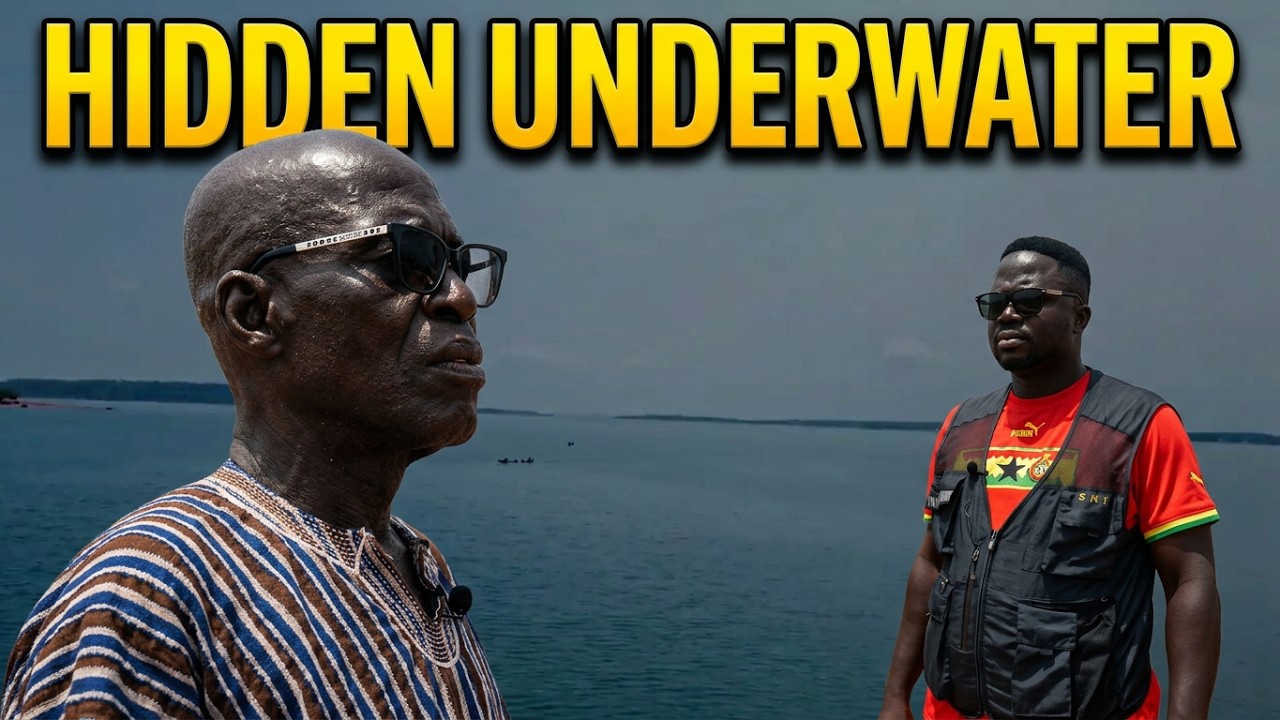
Beneath the Lake: Krachi's Drowned Slave Market and the Memory of German Rule
In Kete-Krachi, a chief who grew up in the old town points across the Volta Lake to where a slave market once stood, and recalls what his elders said…
Colonial Era
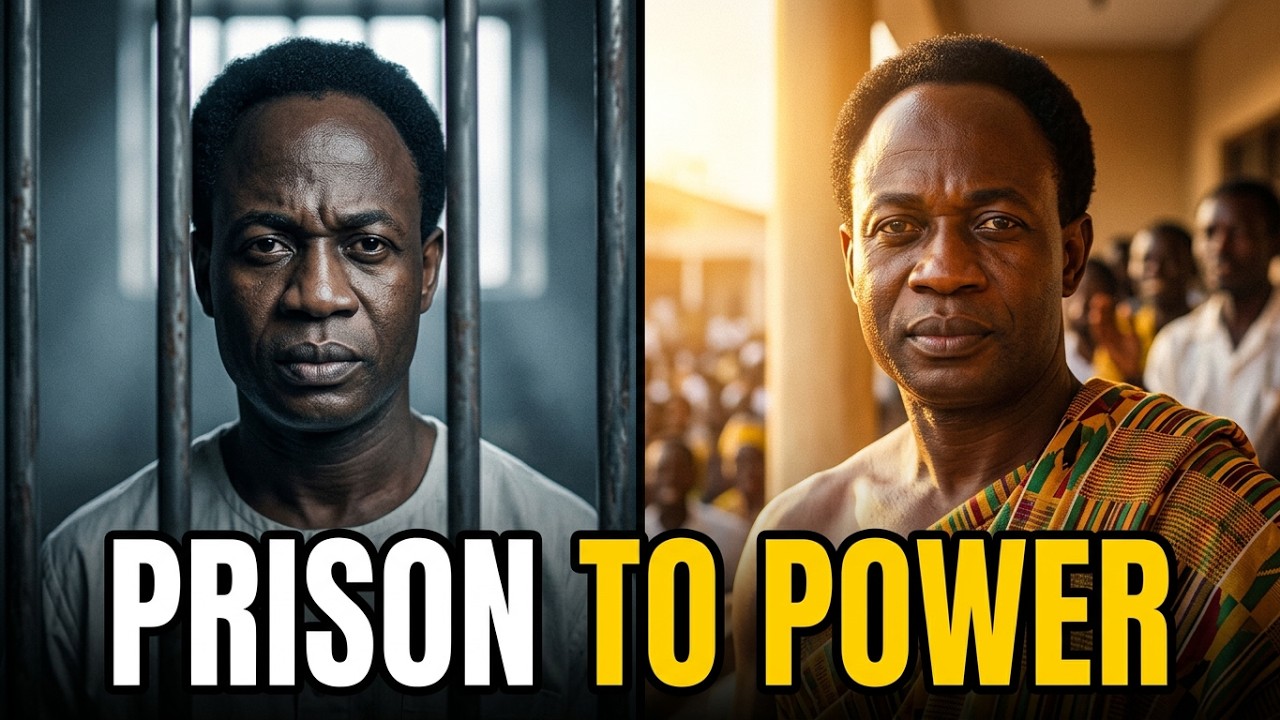
On Forbidden Ground: Kwame Nkrumah and the End of Colonial Rule in Ghana
At the Kwame Nkrumah Memorial Park in Accra, a guide walks Twum Dufe Gabriel through the life, the overthrow and the three burials of the man who…

Colonial Era
One Thread, Three Eras: Ernesto Yeboah on Slavery, Colonialism and Neo-Colonialism
After a year of visiting forts and slave markets, Twum Dufe Gabriel sits down with Nkrumaist organiser Ernesto Yeboah to ask what connects slavery,…
Discussion 0
No comments yet. Be the first to share a thought.
Join the conversation. Members can comment on every article, video and photo without leaving the site.
Join free Sign in