Find anything
Search the archive
18 results for “ancestors” · Clear
-
article · Culture & Traditions
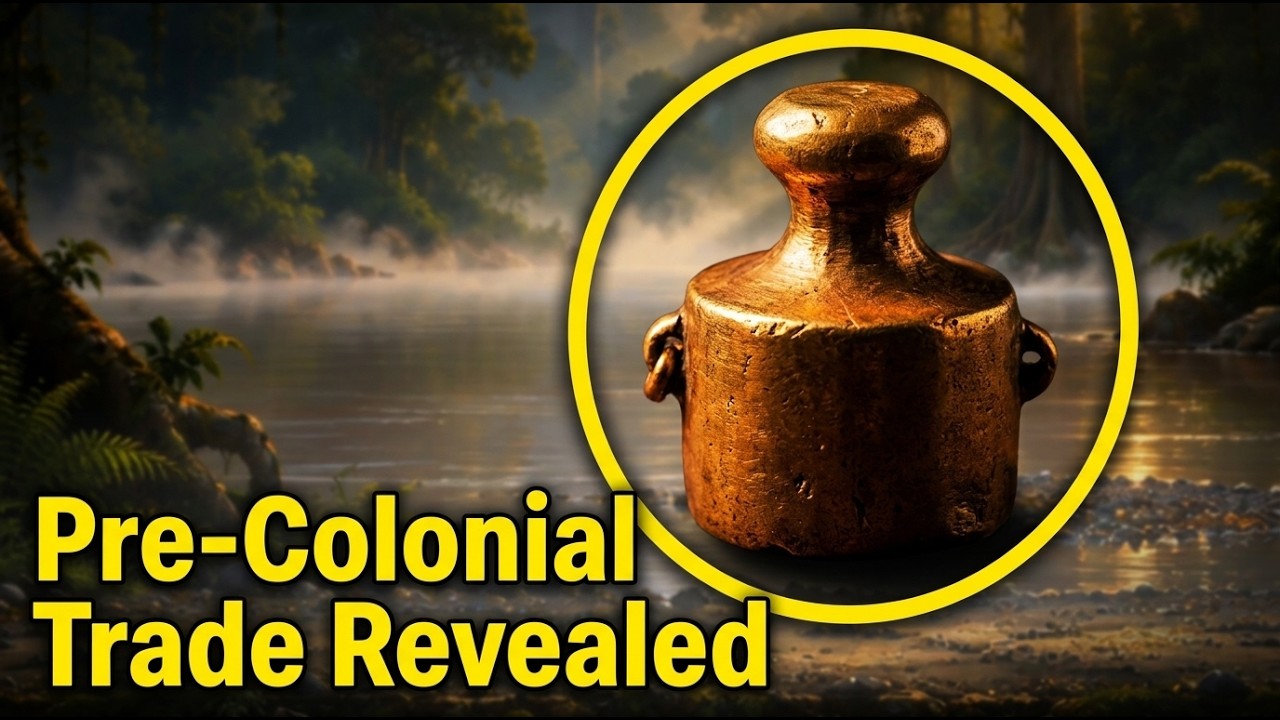
A True Weight: Akan Gold, Brass Scales and the Coming of the Portuguese
Through the story of a young brass caster, The Journey retells how the Akan weighed their gold with exact brass weights, and how that honest scale met Portuguese ships at Elmina in 1471 and 1482.
-
video · Slave Routes
Ghana’s 800KM Slave Route The Walk to the Door of No Return
In this documentary, we trace the historic 800-kilometer slave route across Ghana, following the footsteps of enslaved ancestors from the northern hinterlands down to the coastal castles and the…
-
article · Origins & Migration
One People, Many Roads: Tracing the Guan from the Savannah to the Sea
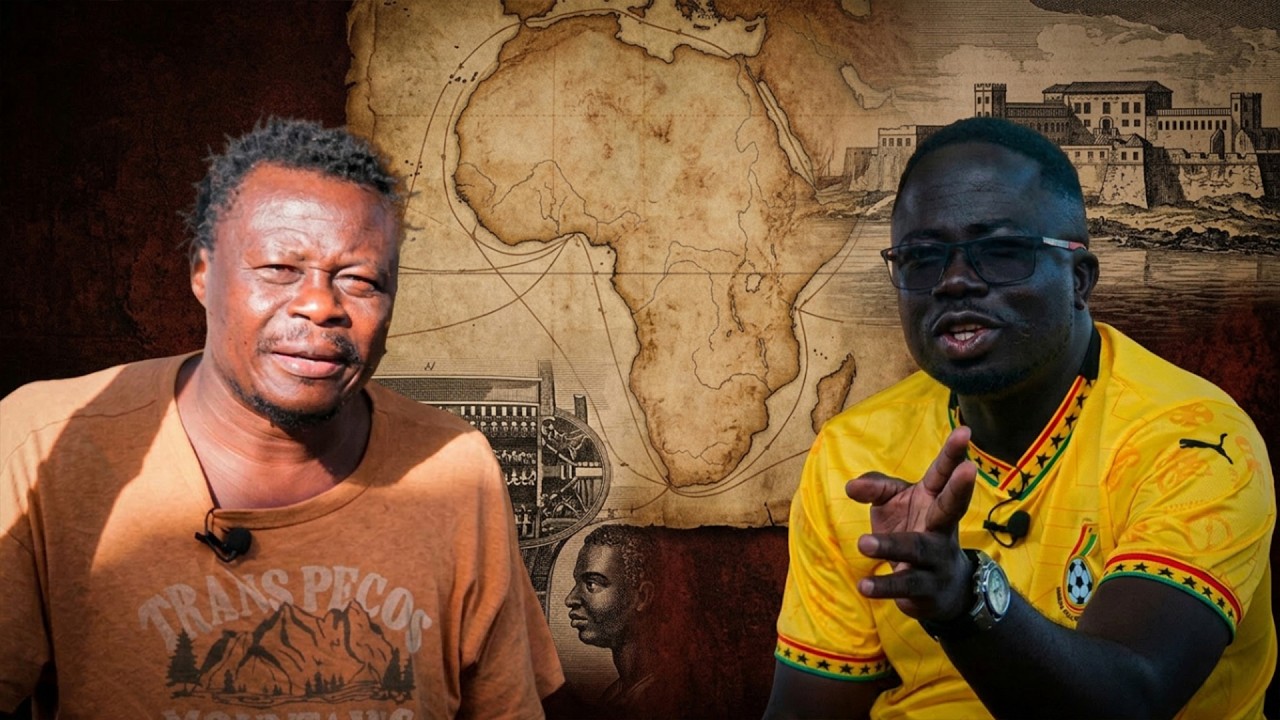
Two researchers, one from the Guan south and one from Gonja country, sit down with Twum Dufe Gabriel to ask how Ghana's oldest settlers became scattered, and what their story says about everyone else.
-
article · Origins & Migration
The Spear, the Stone and the Quran: How Larabanga Tells Its Own Beginning
In Ghana's Savannah Region, a Kamara guide walks Twum Dufe Gabriel through the founding of Larabanga, and firmly separates the tradition he accepts from the tales he calls exaggeration.
-
article · Kingdoms & Empires
Between the Forest Kingdoms and the Sea: How the Ga of Accra Endured
In Accra, a Ga custodian of tradition tells Twum Dufe Gabriel how his people survived Akwamu conquest and war with Asante, and why Homowo still hoots at hunger.
-
article · Slave Routes
At the Grave of Babatu: A Slave Raider Remembered by His Descendants
In the Dagbon kingdom, Twum Dufe Gabriel visits the tomb of the Zabarma warlord Babatu and hears how his family and a local historian remember him.
-
article · Kingdoms & Empires
One Stool, Many Peoples: How the Asante Chose to Become a Nation
Asante began not as a single tribe but as a union of small states under Denkyira's rule. Tradition holds that a golden stool, received on a Friday in 1695, bound them together.
-
article · Slave Routes
Heaven Above, Hell Below: A Walk Through the Dungeons of Elmina Castle
Twum Dufe Gabriel follows an Elmina guide through the oldest European castle in tropical Africa, from the governor's balcony to the narrow door through which captives left the continent.
-
article · Slave Routes
The Older Road North: Remembering the Trans-Saharan Slave Trade
In a long conversation with a Ghanaian author, Twum Dufe Gabriel turns from the Atlantic coast to the desert caravans, and asks why one slave trade is remembered so much more than the other.
-
article · Slave Routes
A Word for Calamity: Slavery and Its Long Shadow over Northern Ghana
Among the rocks of Tengzug, a northern Ghanaian novelist tells Twum Dufe Gabriel how slave raiding emptied whole communities, and why he believes its legacy still shapes the north.
-
article · Slave Routes
Guns for Captives: A Court Fiddler's Account of the Dagbon–Asante Bargain
In Yendi, a hereditary court historian tells Twum Dufe Gabriel of an unwritten pact: 2,000 Asante guns for 2,000 captives, paid 200 a year, and of how Dagbon later turned against the trade.
-
article · Colonial Era
At the Palais de Lomé, a Guide Retells Togo's Story From Migration to Independence
On his first visit to Togo, Twum Dufe Gabriel walks the grounds of a restored colonial palace in Lomé and hears one guide's account of partition, Sylvanus Olympio, migration and the slave trade.
-
article · Culture & Traditions
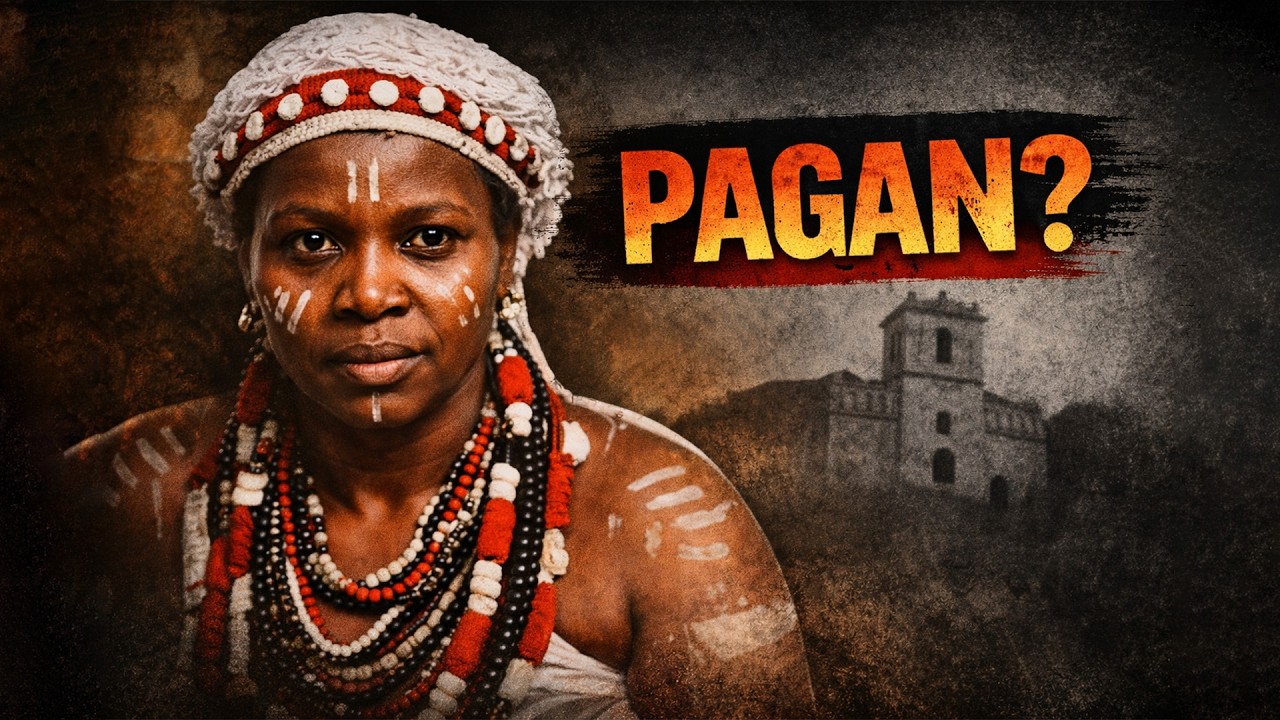
Not Pagan, Not Demonic: A Scholar's Case for African Traditional Religion
At the University of Ghana, Twum Dufe Gabriel asks a student of African traditional religions how Ghanaians worshipped before church and mosque, and what is worth keeping.
-
video · Slave Routes
Were Ghanaian Traditions Really ‘Pagan’?
Were Ghanaian traditions really “pagan” — or was that label misunderstood?
-
article · Slave Routes
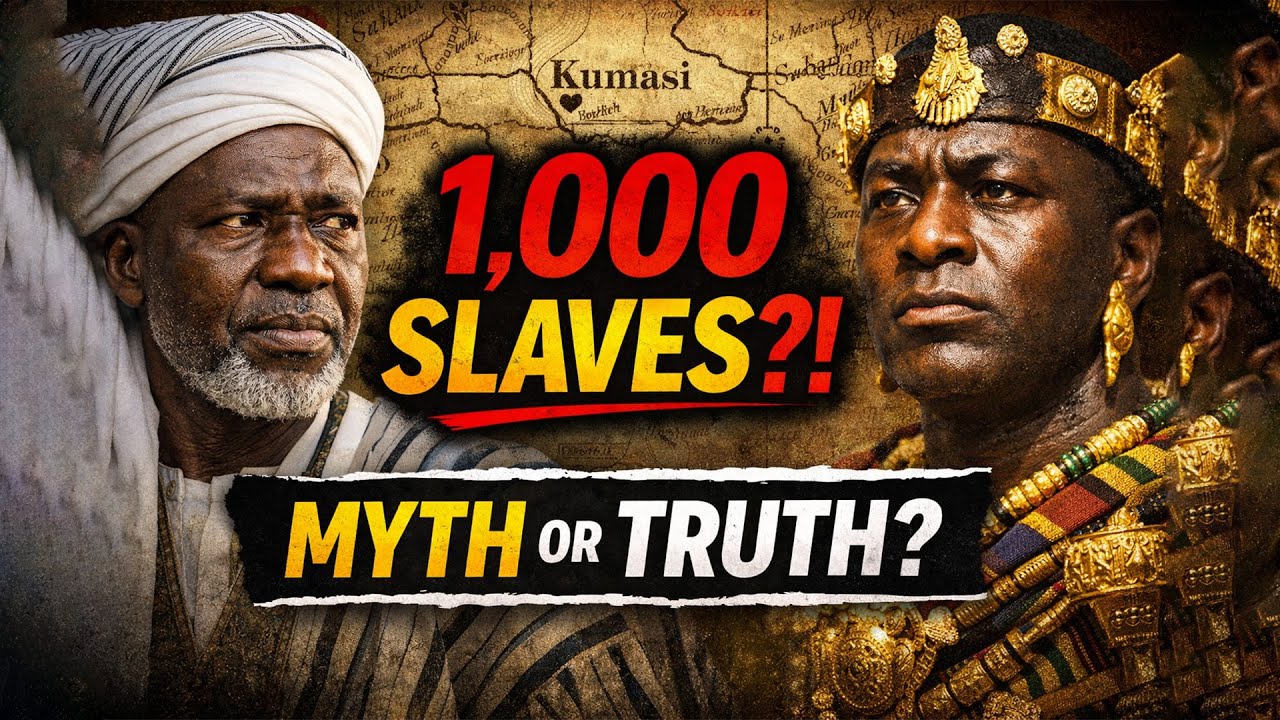
A Thousand Captives a Year: The Northern Memory of the Dagomba–Asante Treaty
At the Feok Festival in Sandema, a northern Ghanaian author tells Twum Dufe Gabriel how a tribute owed to Asante, and the raiders it fed, shaped the north's past and present.
-
article · Slave Routes
Among the Unmarked Dead: A Visit to the Salaga Slave Cemetery
In Salaga, northern Ghana, Twum Dufe Gabriel walks a burial ground where, his guide says, captives who died of hunger, thirst and beatings were left beside the river of vultures.
-
article · Culture & Traditions
Between Sea and Lagoon: The People of Keta and the Words They Carry
At Fort Prinzenstein, a Keta historian traces Anlo-Ewe identity through borrowed Danish words, a migration tradition from Notsie, and borders that split one people across four countries.
-
article · Slave Routes
Where the Walk Began: The Rocks of Pikworo and the Memory of Capture
At Ghana's northern border, Twum Dufe Gabriel walks the rock outcrops of Pikworo, where oral tradition says captives were held, fed from bowls cut in stone and marched south to Salaga.